Real Estate Pricing Strategy: Should Agents Ever List at $1?
A $1 Toronto list price got everyone talking. Here's the real estate pricing strategy behind it, and why it rarely works for a normal GTA home right now.
 Gary McGowanREALTOR® and international real estate trainer
Should you ever list a home at $1? Almost never. A $1 price can work on a rare, hard-to-value property. On a normal house, it confuses buyers and costs you trust. A good real estate pricing strategy gives buyers a believable anchor, and right now GTA buyers hold the upper hand.
I've coached thousands of Realtors on pricing, and this week's Etobicoke listing is a great lesson.
Why would a house be listed for $1?
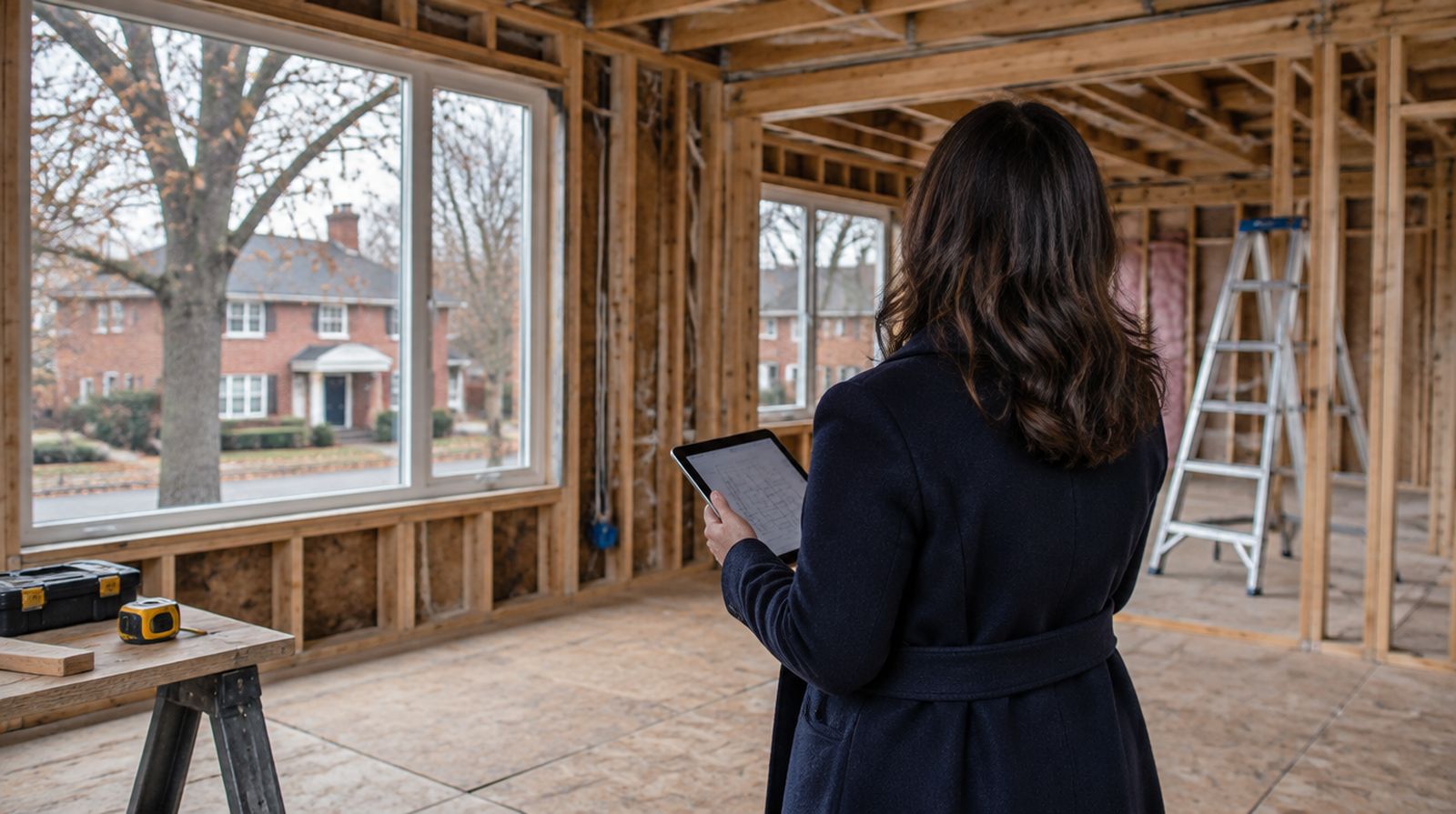
blogTO wrote up 17 Windsor Road, a half-finished renovation in Etobicoke listed at $1. The listing says: "The property is not for sale for $1, please send an offer." It last sold in 2023 for $1,285,000, and the owner has reportedly put more than $700,000 into it since.
Nobody can pull clean comparables on a half-framed house. So the agent made three smart moves:
- Top of the search. Sort by price, low to high, and this house shows up first.
- No anchor. With no fair number to defend, the seller lets buyers say what it's worth.
- Attention. A Toronto news site covered it, and I made a reel about it. Free reach.
For a one-off property, that's clever. And the remarks say $1 isn't the price, so nobody feels tricked.
Does underpricing to start a bidding war still work?
On a typical GTA house today, rarely. The list-low, hold-offers playbook needs a crowd of buyers, and the crowd isn't there.
TRREB reported 5,603 GTA home sales in October 2026, down 7.9% from a year earlier, while the average selling price slipped 2.7% to $1,024,108. TRREB's chief information officer said buyers "continued to benefit from substantial negotiating power on price."
In TRREB's October Market Watch, homes across all TRREB areas sold for 97% of list price on average, with 4.6 months of inventory. Average days on market was 31 for the current listing but 49 for the property overall, which tells you plenty of homes were pulled and relisted.
List low with no one showing up on offer night, and you've told the whole market your seller will take less. Your seller won't blame the market. They'll blame you.
What real estate pricing strategy works in a slow market?
Price where buyers already are. With buyers negotiating off asking, a believable number close to recent sales beats a gimmick.
Here's what I coach agents to do:
- Show sold comps first. Active listings are the homes that haven't sold yet.
- Pick your search bracket on purpose. A price just under a round number shows up in more buyer searches.
- Set a review date before you list. Agree on the next move if showings are slow by week three.
- Save the gimmicks for strange properties. Half-built projects, teardowns, unusual land. Places where nobody agrees on value.
CREA's chair put it well: "a well thought out pricing strategy will become even more important." If your seller insists on a number that's too high, walk them through the dangers of overpricing before you sign. Also read why fewer listings change the math this winter.
Frequently asked questions
Why do agents list houses below market value?
To pull in more buyers and spark competition. A lower price lands in more searches and gets more people through the door. It works best when demand is strong and inventory is tight. With 4.6 months of inventory across the GTA in October, it's a bigger risk, because there may not be enough buyers to push the price back up.
Should you underprice a home to start a bidding war?
Only when your local numbers back it up. Check the sale-to-list ratio and days on market for that neighbourhood first. If homes nearby are selling over asking within a week or two, a strategic price can work. If they're selling under asking after a month, underpricing usually just leaves money on the table.
What's the best way to price a home that's hard to value?
Lean on what buyers can see. Share permits, drawings and costs to date, then let offers set the number, like the Etobicoke listing did. Be clear in the remarks about what the price means. A no-anchor approach suits unique properties, not a standard detached home with recent sales nearby.
Before your next listing appointment, pull this month's GTA market report. And if you want me to walk your team through how I price listings right now, book a call with me.